

Dormers vs. Full House Extensions: Which Adds More Space for Long Island Homes?
 If you are weighing dormers vs full house extensions in Long Island, NY, you are not alone. Many Cape, ranch, colonial, and split-level homes across Nassau and Suffolk reach a point where more room is a must. This guide breaks down where dormer additions shine, when a full extension is smarter, and how to plan a project that fits your lot, your lifestyle, and our coastal weather.
For a deeper look at styles and options, you can also learn more about dormer additions and see how they transform underused attics into real living space.
What Is a Dormer and Why Long Island Homes Love It
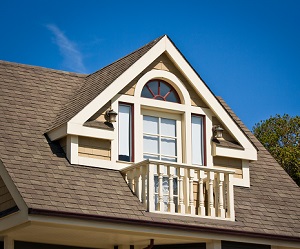
A dormer is a framed projection from a sloped roof that creates headroom, adds windows, and turns low, awkward attic areas into actual rooms. On Long Island, dormers are popular because many older homes have steep rooflines with wasted space up top.
Typical wins with dormers include brighter bedrooms, a hall bath where none fit before, and better closet runs along full-height walls. You keep your yard intact, which matters on smaller lots in places like Levittown, Hicksville, and East Meadow.
When a Full House Extension Makes More Sense
Extensions add square footage at the main level or by building a full second story. Choose an extension when you need large, open rooms or a reworked first-floor flow. If the goal is a bigger kitchen with an island, a larger family room, or a first-floor suite, an extension opens up layouts in ways a dormer cannot.
Side-yard rules, property lines, and lot shape affect how far you can push out. Timelines and approvals vary by home type and municipality, so plan for professional design and permitting. Always confirm structural capacity with a licensed pro before committing to any plan.
Space Gained: What Fits Where
- Dormers: comfortable bedrooms with closets, a shared bath, a small office or play loft, and real headroom at the stairs.
- Extensions: larger kitchens with seating, open family rooms, mudrooms, first-floor suites, or a complete second-story layout with multiple bedrooms.
If your priority is adding living space with dormers, think bedrooms and a bath above. If it is a new gathering space or kitchen workflow, think extension.
Design, Light, and Rooflines
Dormers punch daylight into dark attics and break up long stretches of shingles. Gable, shed, and eyebrow profiles each create a different look from the street and a different feel inside. Extensions reshape the whole silhouette, which can modernize a dated facade when paired with new siding and trim.
Both options tie into your existing roof. Good flashing and waterproofing protect the new transitions, which is why a project often pairs well with broader exterior updates later. For context on roof timing decisions, many homeowners find this quick roof repair vs. replacement guide helpful as they plan sequencing.
Local Factors That Tip the Scale
Long Island weather brings salt air, wind-driven rain, nor’easters, and freeze-thaw cycles. Dormers concentrate work on the roof plane which can be easier to protect during shoulder seasons. Extensions open walls and foundations, so staging, site access, and neighborhood logistics come into play.
In tight-lot neighborhoods, preserving the backyard for kids, pets, or a future patio can favor a dormer. Corner lots, generous side yards, or a garage alignment that invites building above it can favor an extension. Never start work without a written scope, schedule, and warranty from your contractor.
Project Planning Without Guessing at Numbers
You might search for phrases like second-story dormer cost Long Island. Real budgets vary by home size, material selections, structural needs, and season. A clear scope and drawings allow accurate proposals so you can compare like for like.
Expect pre-construction planning to cover structure, insulation, ventilation, plumbing runs, and electrical capacity. Good planning reduces surprises once framing starts and keeps your calendar realistic when weather is unpredictable.
Comfort, Insulation, and Noise
Dormers are a chance to upgrade insulation at the roof deck and add modern windows. That helps even out temperatures in homes where upstairs rooms used to run hot in summer and cold in winter. Full extensions often allow full-system HVAC upgrades and better zoning because you are adding new framing and open cavities.
Do not rely on attic fans to solve comfort issues on their own. Air sealing, balanced ventilation, and correct insulation thickness work together to control heat and moisture.
Yard, Foundation, and Access
Because dormers build upward, landscaping and patios usually stay intact. Dumpster placement, scaffolding, and material deliveries still need a plan, yet ground disruption is limited. Extensions can require excavation, temporary walkway changes, and more staging space, which may affect parking on narrow streets.
Think about how you live during construction. A dormer project often keeps the main floor more usable. An extension that reworks a kitchen or main bath may push you to set up temporary spaces.
Resale and Everyday Life
Buyers respond to practical bedrooms with real closets and a hall bath. A well-planned dormer can turn a starter Cape into a long-term family home. On the other hand, an extension that unlocks a bright kitchen and open living area can make an older layout feel current and is easy to photograph for listings.
Either way, continuity matters. Trim profiles, siding details, stair alignment, and window style should feel like one connected design. If you expect to update other rooms later, a smart approach is to map the whole plan now so finishes flow. When you are ready to coordinate multiple spaces, our team can help you explore our remodeling services to keep everything cohesive.
Quick Decision Filter for Long Island Homeowners
- Need light, headroom, and two more upstairs rooms with a bath? A dormer is likely the fit.
- Need a large kitchen, a mudroom, or an open great room? An extension is usually better.
- Want to keep yard space for a deck or pool? Favor a dormer.
- Have easy side-yard access or a garage alignment that invites building above? Favor an extension.
- Unsure which path holds value in your neighborhood? Ask for local comps and a design concept before you decide.
Permits, Timeline, and Expectations
Approvals and inspections differ by municipality and scope. Your schedule will vary with design complexity, materials, and time of year. Plan early for lead times on windows and specialty items, and expect some weather buffers in fall and winter.
Protect neighbors and your own routine by confirming site rules in writing. That includes start times, debris handling, and how the crew will secure the home at the end of each day.
Bringing It All Together
For many families, dormer additions Long Island homeowners choose most often add the bedrooms and bath they need without losing backyard space. Others select a full house extension to reset the first floor and connect kitchen, dining, and living areas so daily life just flows. If you want examples that match your house type, Magnum Contracting Group can show you local projects that mirror your goals.
To see how we balance design, weather, and logistics, review how we approach dormers vs full house extensions in Long Island, NY so your plan fits your home and timeline.