

Roof Inspection Checklist for Long Island Homes: What Pros Look For
When you schedule a roof inspection on Long Island, you expect clear answers. This checklist shows how the pros evaluate your home from shingles to sheathing, and why small problems today can prevent bigger headaches after the next nor’easter. If you are ready to have a licensed team look everything over, you can start with a quick roof inspection on Long Island from Magnum Contracting Group to get on the calendar.
Why A Professional Roof Inspection Matters On Long Island
Our weather keeps roofs busy. North Shore homes see steady salt air and wind off the Sound. South Shore homes face driving rain, occasional flooding, and strong coastal gusts. Over time, that mix strains shingles, flashing, vents, and fasteners. A pro inspection finds small gaps and early wear so water never gets a chance to move into your attic or walls.
Two more reasons inspections matter here:
- Storm patterns shift with the seasons, so hidden damage can stack up between spring and late fall.
- Many neighborhoods in Nassau and western Suffolk have mature trees. Branches rub, drop debris, and shade roof areas that stay damp longer.
How Often Should You Schedule A Roof Inspection
Frequency varies by age, material, and exposure. As a simple rule, homeowners should have a full evaluation at least every 2 to 3 years, plus a check after major wind events or heavy ice. Homes near the water or under dense tree cover may need more frequent looks. If your roof is older than 15 years, schedule yearly visits so wear does not outpace maintenance. For new roofs, an inspection after the first full winter gives a useful baseline.
When timing inspections, think around real Long Island weather, not the calendar alone. Early spring helps confirm how the roof handled snow, ice, and freeze-thaw. Early fall helps you enter winter with tight flashing and clear ventilation.
Exterior Checklist: What Pros Look For First
1) Shingles and Field Surfaces
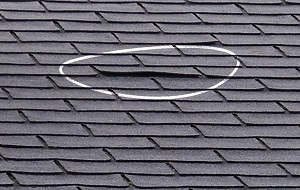
Inspectors scan for missing tabs, lifted edges, and areas where granules have washed away. On flat sections, they watch for blisters, ponding, or seams that have opened. They also assess nail placement and any shingle repairs that could wick water under the surface.
2) Flashing Around Penetrations
Most leaks start where materials meet. That is why flashing around chimneys, skylights, plumbing vents, satellite mounts, and wall junctions gets close attention. The pro checks metal condition, sealant life, step flashing alignment, and counterflashing fit. **Loose or corroded flashing is one of the fastest ways water gets under your roof.**
3) Eaves, Rakes, and Drip Edge
Edges should shed water cleanly. Your inspector confirms the drip edge is continuous and tight, that starter courses align, and that wind-lift is not prying at corners. On homes near the shore, salt exposure can accelerate metal wear at edges long before the field shingles show it.
4) Gutters and Downspouts
Even though they are not the roof itself, gutters keep water moving. The pro checks pitch, secure hangers, and discharge away from the foundation. They also look for shingle granules in the troughs, which can signal aging surfaces above.
Attic and Interior Checklist: What You Cannot See From The Street
1) Attic Ventilation
Balanced airflow keeps your roof deck healthy. Pros measure intake at soffits and exhaust at ridge or gable vents. They look for blocked baffles, painted-over vents, or bath fans that dump moist air into the attic. **Poor attic ventilation shortens shingle life and invites condensation.**
2) Insulation and Air Leaks
Your inspector looks for dark, matted, or wet insulation that points to current or past moisture. They check around can lights, attic hatches, and chase openings where warm interior air can leak upward and feed ice dams in winter.
3) Sheathing and Framing
The team checks for staining, soft spots, or delamination on the roof deck. They also watch for sunlight peeking through nail holes or seams that do not line up with shingle layout. Any sagging suggests long-term moisture or undersized framing and should be addressed before it worsens.
4) Active Leak Detection
Pros use moisture meters, infrared cameras, and careful tracing to find the path of water. A stain on a bedroom ceiling might start at flashing ten feet uphill. **Never ignore an active leak, even if it seems minor.** Early repairs protect paint, plaster, and hardwood floors.
Special Areas That Need Extra Attention On Long Island
Chimneys and Skylights
Older masonry can shed grit that eats at flashing. Skylights face pooling water and seal failure as they age. If you see fogging between panes or water tracks on drywall, a roofer should evaluate both the unit and the surrounding roof system.
Valleys and Dead-Flat Transitions
Nor’easter rains hit valleys hard. Pros confirm the underlayment is intact, metals overlap correctly, and debris cannot trap water. Where pitched roofs meet flat sections over porches or additions, seams and laps must be tight.
South Shore Wind Exposure
Frequent gusts test shingle adhesion. Inspectors note loosened ridge caps, lifted seal strips, and nails that have backed up after repeated flexing. They will also take a hard look at satellite mounts and solar attachments that see more wind load.
From Findings To Fixes: What Happens After The Inspection
You should receive a clear, photo-rich report that prioritizes repairs. Items often split into health, safety, and longevity categories so you can plan short-term and long-term work. When leaks or missing shingles show up, it is smart to address them promptly with roof repairs before small openings expand and affect the sheathing.
If the inspection reveals widespread wear or a roof approaching the end of its service life, your roofer will explain replacement options and materials without pushing one brand. The goal is a roof that fits your home’s style, the local weather, and your future plans.
Checklist You Can Expect Your Inspector To Cover
- Surface scan for damaged shingles or membrane wear
- Detailed review of flashing at chimneys, skylights, vents, and walls
- Condition of eaves, rakes, drip edge, and ridge caps
- Gutter slope, secure hangers, and clear discharge
- Attic ventilation balance and clear air paths
- Insulation condition with signs of moisture or airflow leaks
- Deck soundness, nail patterns, and soft spots
- Moisture readings and evidence of active or past leaks
When To Call Sooner Rather Than Later
Waiting for a visible ceiling stain is risky. Reach out if you notice these red flags:
- Shingles on the lawn after wind or any lifted edges
- Rust or gaps at chimney or skylight flashing
- Musty attic smell or damp insulation
- Gutters spitting water over the edge during a normal rain
For peace of mind, many homeowners set reminders for early April and early October. That rhythm fits Long Island’s weather and works well with school-year schedules and holiday plans.
Documentation That Helps You Later
Well-labeled photos, dates, and basic maintenance notes can support future insurance claims and real estate sales. Ask your inspector to identify the roof age if known, any repaired areas, and the likely cause of each issue. Keep everything in a folder with appliance manuals and service receipts so there is one place to reference over time.
How This Ties Into Ventilation And Energy
Roof health and attic ventilation go hand in hand. Balanced intake and exhaust help remove heat and moisture before they cause trouble. That means shingles last longer and your home stays more comfortable in August and February alike. **Good airflow in the attic protects both your roof and your indoor air quality.**
Ready To Protect Your Home
Small fixes today help you avoid big surprises tomorrow. The team at Magnum Contracting Group is local, responsive, and focused on clean, careful work that stands up to our coastal climate. If you are ready to move forward, book your visit for a detailed roof inspection on Long Island and get a clear plan for next steps.
Safety note: Do not climb on your roof or into tight attic spaces without training and proper gear. Let a qualified roofing pro do the work while you stay safe.